Yara Friedrich · 7 November 2026
How Pioneer Diaries from the 1800s Reveal Daily Decisions Around Produce Storage in Settler Basements Across the Midwest Plains
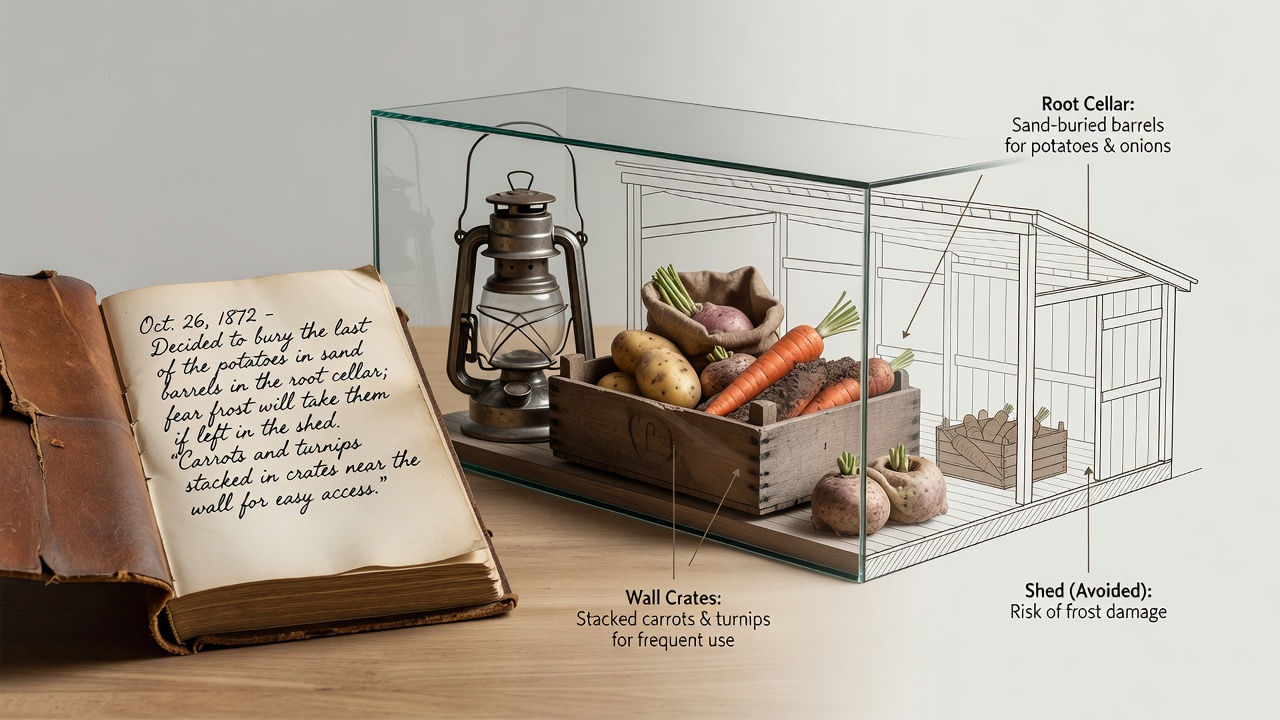
Settler diaries from the Midwest plains during the 1800s provide direct records of produce storage choices made in basement spaces, and historians have used these documents to map out patterns in vegetable and fruit preservation across states like Illinois, Iowa, and Minnesota. Entries often detail the selection of basement corners for items such as potatoes and carrots, with writers noting soil moisture levels and air flow directions that influenced placement decisions on specific dates.
Diaries as Primary Records of Storage Practices
Researchers at institutions like the Library of Congress have cataloged hundreds of these personal accounts, which show settlers weighing factors including harvest volume and expected winter duration when assigning positions to barrels and bins. One 1873 journal from central Iowa describes moving apple crates away from a north wall after several fruits showed signs of softening, a shift recorded alongside temperature readings taken with a simple thermometer.
Diaries also track daily inspections, where writers logged checks for sprouting or mold on stored items, and these notes reveal adjustments such as adding straw layers or relocating produce to higher shelves when groundwater seepage appeared during spring thaws. Across plains settlements, similar patterns emerge in accounts from Nebraska and Kansas, where families documented rotating stocks to prevent localized spoilage in shared basement areas.
Regional Variations in Produce Choices and Methods
Evidence from diaries indicates that settlers in wetter eastern sections of the plains favored elevated wooden platforms for root crops, while those in drier western zones relied more on packed earth floors to maintain consistent humidity around onions and turnips. A collection held by the Minnesota Historical Society includes multiple 1860s entries that list exact quantities placed in each basement section, along with observations on how proximity to foundation walls affected preservation times.
November entries frequently mention final preparations before deep freezes, including the addition of insulating materials like sawdust or dried leaves, decisions tied directly to recorded outdoor temperatures and anticipated snow cover. These logs connect storage actions to broader seasonal planning, showing how families balanced immediate household needs against long-term supplies through winter months.
Daily Decision-Making Documented in Detail
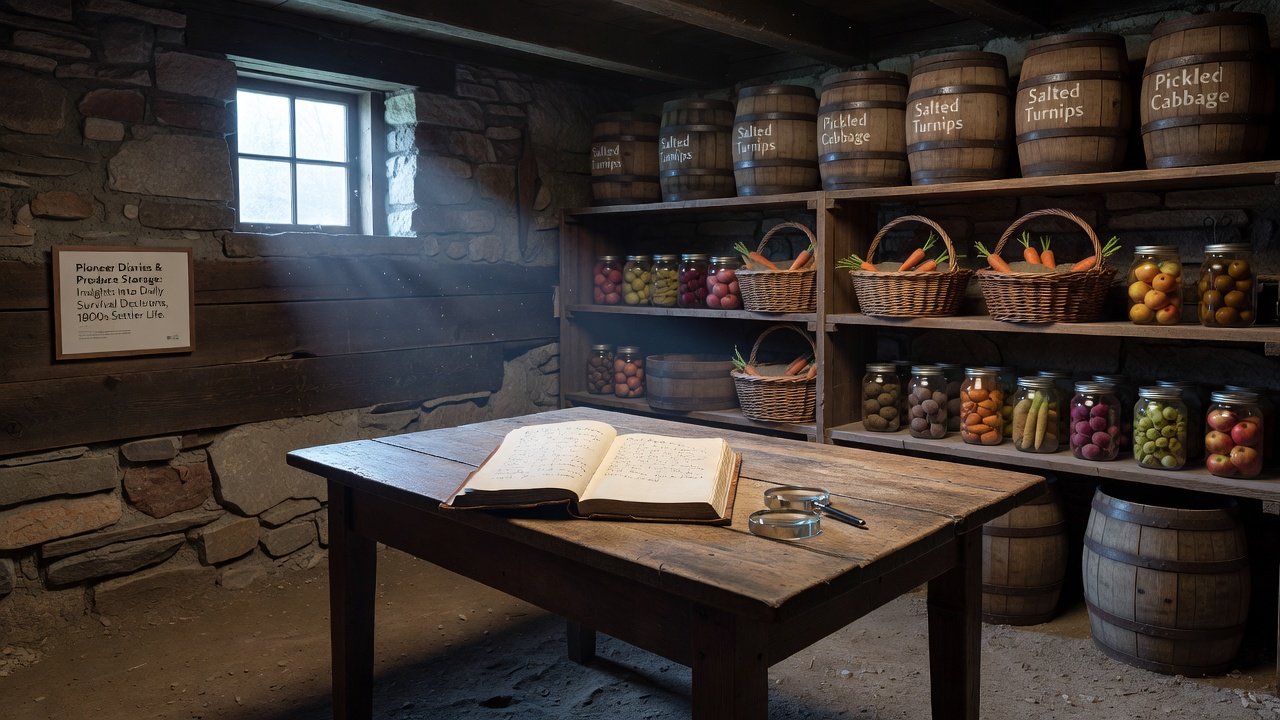
Many diaries break down choices made each morning or evening, such as moving certain vegetables to areas with better air circulation after noticing condensation on walls. Writers in Missouri and Indiana recorded experiments with different container types, noting that metal cans performed better than wooden ones for beets during periods of high basement humidity. These observations appear alongside sketches of basement layouts that marked successful versus problematic storage zones.
Cross-referencing multiple diaries from the same county reveals shared strategies, including the use of separate compartments for fruits and vegetables to avoid cross-contamination from ethylene gases. Accounts from the 1880s describe testing basement corners for stability by placing test batches of potatoes, then recording outcomes over several weeks before committing full harvests to those spots.
Connections to Broader Settlement Patterns
Historians note that storage decisions reflected available resources, with diaries listing purchases of lumber for shelving or the reuse of packing crates from supply shipments. In areas near the Mississippi River, entries reference occasional flooding risks that prompted elevated storage racks, decisions documented with measurements of water levels during prior events. Similar records from farther inland plains show adaptations based on wind patterns that affected basement ventilation through small ground-level openings.
A digitization project scheduled for release in November 2026 at several Midwest archives will add thousands more pages to public databases, allowing further analysis of how these daily choices evolved over decades. Current collections already demonstrate consistent themes, such as the prioritization of cool, dark locations for long-keeping crops like cabbage and the separation of early-ripening items from those intended for spring consumption.
Conclusion
Pioneer diaries from the Midwest plains stand as detailed sources that outline the sequence of decisions settlers made regarding produce storage in their basements, from initial placement through ongoing monitoring and adjustments. These records connect individual actions to environmental conditions and available materials, providing a factual basis for understanding 1800s preservation methods across the region. Additional materials from university collections and national archives continue to expand the available evidence for such studies.